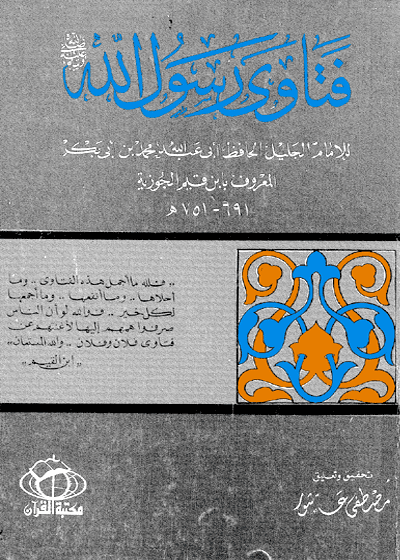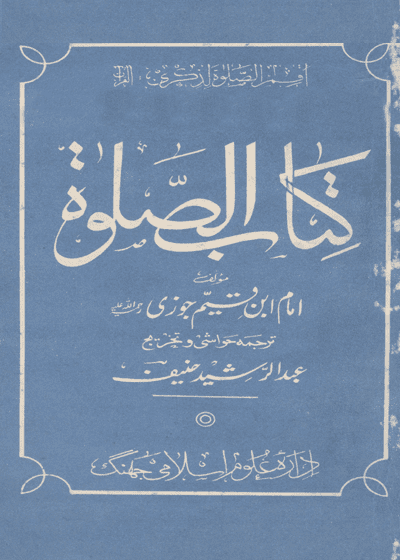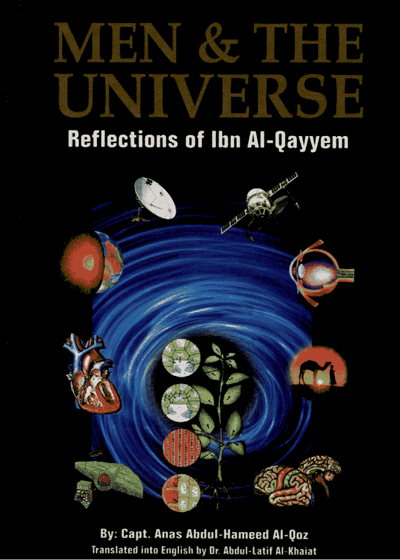
Shams ad-Dīn Muḥammad bin Abī Bakr ibn Qayyim al-Jawziyyah ابن قیم الجوزیہ (1292–1350 CE / 691–751 AH), commonly known as Ibn al-Qayyim, was one of the most brilliant, prolific, and influential classical Sunni Islamic scholars of the Ḥanbali school. Born in Damascus, he is renowned for his vast knowledge across various Islamic sciences, including Fiqh (Jurisprudence), Hadith, Tafsīr (Exegesis), and ‘Aqīdah (Theology), as well as his deep understanding of Sufism and ethics.
Key Influence and Legacy
Ibn al-Qayyim is primarily known as the closest and most devoted student of Imam Ahmad ibn Taymiyyah. He spent many years studying under him, defending his views, and enduring imprisonment alongside him. His works are characterized by their emphasis on the Qur’an and Sunnah, rigorous deductive reasoning, and a strong focus on spiritual purification (Tazkiyah) and the diseases of the heart.
Major Works
His most famous works, which remain highly influential today, include:
Madārij as-Sālikīn (The Stages of the Travellers) on spirituality and ethics.
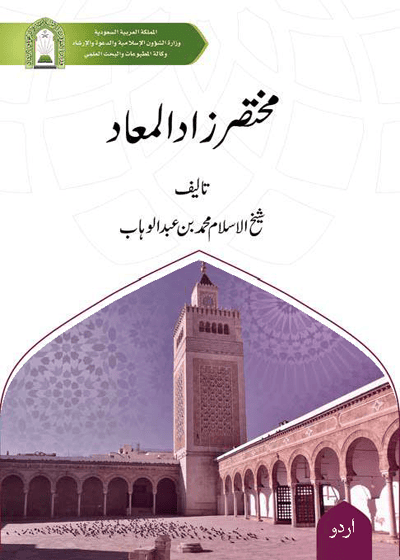
Zād al-Ma’ād (Provision for the Hereafter) on Fiqh and the Prophet’s Sunnah.
I’lām al-Muwaqqi’īn ‘an Rabb al-‘Ālamīn (Informing Those Who Sign on Behalf of the Lord of the Worlds) on the principles of Fiqh and Ijtihād.
His scholarly contributions bridge the gap between orthodox theology and spiritual depth, making him a towering figure in Islamic thought.