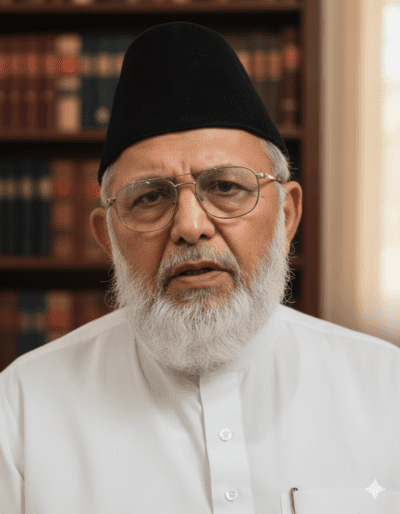
Maulana Hamiduddin Farahi (1863–1930) stands as one of the most profound and original Quranic scholars of the Indian subcontinent, renowned for his groundbreaking theory of Nazm-ul-Quran (the coherence of the Quran). Departing from traditional atomistic interpretations, Farahi argued that every Surah of the Quran possesses a deliberate structural unity and a central theme, or Amood, which binds its verses into a cohesive discourse. His mastery of classical Arabic linguistics and pre-Islamic poetry allowed him to provide deep contextual insights into the divine text, most notably in his unfinished masterpiece, Exegesis of the Quran (Nizam-ul-Quran). As the founder of the Madrasatul Islah, Farahi’s intellectual legacy continues to influence modern Islamic thought, offering a methodical framework for understanding the Quran’s linguistic miracles and internal consistency.
Showing all 11 resultsSorted by latest

- Tafsir Urdu
Tafsir Surah e-Dhariat-تفسير سورة الذاريات
- Tafsir Urdu
Tafsir Surah e-Kauther-تفسير سورة الكوثر
- Uloom al-Quran
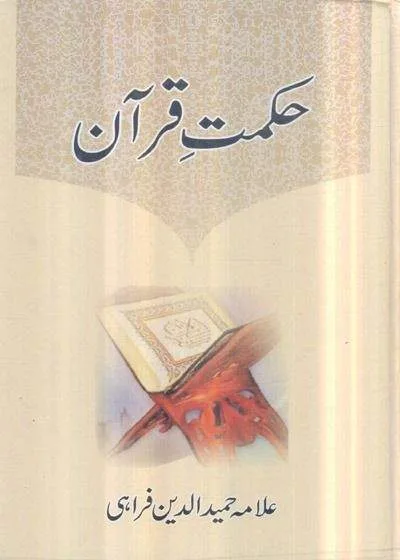
Hikmat e-Quran حکمت قرآن
- Historical Islam
Zabeeh Koun Hay ذبیح کون ہے؟
- Arkan e-Islam
Risalah e-Tawheed رسالہ توحید
- Khatam e-Nubuwat
Risalah e-Nubuwat رسالہ نبوّت
- Ahkam Masail
Risalah e-Aakhirat رسالہ آخرت
 Al Quran Urdu
Aqsaam ul-Quran اقسام القرآن
- Ahkam Masail
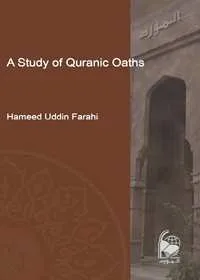
A Study Of Quranic Oaths English Hamid al-Din Farahi