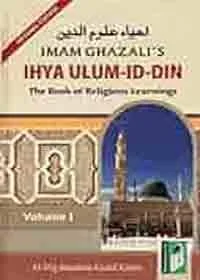
Ihya Ulum al-Deen English Abu Hamid Al-Ghazali
“Ihya Ulum al-Deen” (The Revival of the Religious Sciences) by the prodigious scholar Imam Abu Hamid al-Ghazali (translated by Maulana Fazl ul-Karim) is arguably the most influential work in Islamic history, serving as a comprehensive synthesis of Islamic jurisprudence (Fiqh), theology (Kalam), and Sufism (Tassawuf). This monumental book moves beyond mere ritualism by emphasizing the inner, spiritual meaning of every Islamic duty, guiding the reader through the Acts of Worship, Social Customs, Destructive Vices, and Virtues that lead to Salvation. Al-Ghazali’s masterpiece successfully revived the spiritual dynamism of the Muslim community, making it the essential reference for Islamic spirituality, ethics, and purification of the soul (Tazkiyat an-Nafs) across the globe.
Additional information
| Book Writer | Abu Hamid Muhammad ibn Muhammad al-Tusiyy al-Ghazali, Maulana Fazl ul-Karim |
|---|---|
| Language | |
| File Size | 45 MB |
Description
Overview
“Ihya Ulum al-Deen” (The Revival of the Religious Sciences) stands as a monumental work by the esteemed scholar Imam Abu Hamid al-Ghazali. This profound text, translated by Maulana Fazl ul-Karim, is widely regarded as one of the most influential contributions to Islamic literature. It serves as a comprehensive synthesis of diverse fields within Islam, including jurisprudence (Fiqh), theology (Kalam), and Sufism (Tassawuf). Unlike many religious texts that focus solely on outward practices, Al-Ghazali’s work delves into the essential spiritual dimensions of Islamic duties, illuminating the deeper meanings behind acts of worship, social customs, and ethical conduct.
Key Themes
In “Ihya Ulum al-Deen,” Al-Ghazali emphasizes the importance of spiritual awakening and the purification of the soul (Tazkiyat an-Nafs). He meticulously guides readers through various aspects of Islamic life, addressing destructive vices and highlighting virtues that lead to salvation. The text revitalized the spiritual essence of the Muslim community, serving as a cornerstone for understanding Islamic spirituality and ethics. Its rich content not only educates but also inspires believers to engage in sincere self-reflection and personal growth.
- Muslim scholars and students seeking a deeper understanding of Islamic theology and practice.
- Individuals interested in Sufism and the inner dimensions of worship.
- Anyone striving for personal growth and ethical living in accordance with Islamic principles.
- Readers looking to explore the historical context and impact of Islamic spirituality.
- Community leaders and educators aiming to promote moral and spiritual development.