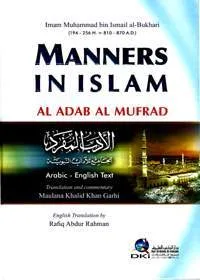
Manners in Islam al-Adab al-Mufrad الادب المفرد
“Manners in Islam: Al-Adab al-Mufrad” is an English presentation of the classical collection of Prophetic traditions on ethics and manners compiled by Imam Muhammad al-Bukhari, often featuring helpful explanations or commentary by Rafiq Abdul Rahman. This book is a comprehensive guide to Islamic etiquette (Adab), covering hundreds of short narrations on subjects like kindness to parents, treatment of neighbors, social interactions, humility, truthful speech, and conduct in all daily affairs. It meticulously details the ideal moral framework for the Muslim individual and community, emphasizing that true faith (Iman) is inseparable from excellent character (Akhlāq). The work is an essential resource for practical application of the Sunnah in refining one’s personal and social conduct.
Additional information
| Book Writer | Maulana Khalid Khan Garhi, Muḥammad ibn Ismail al-Bukhari, Rafiq Abdur Rahman |
|---|---|
| Language | |
| File Size | 290 MB |
Description
Overview
“Manners in Islam: Al-Adab al-Mufrad” is a profound and enlightening English rendition of the classical compilation of Prophetic traditions, meticulously gathered by the esteemed Imam Muhammad al-Bukhari. This work serves as an invaluable resource for Muslims striving to embody the ethical teachings of Islam in their daily lives. Accompanied by insightful commentary from Rafiq Abdul Rahman, this book delves into the essential principles of Islamic etiquette (Adab), presenting hundreds of brief yet impactful narrations that address various aspects of human interaction and moral conduct. The text highlights the significance of virtues such as kindness to parents, respectful treatment of neighbors, humility, and the importance of truthful speech, thereby providing a comprehensive moral framework for both individuals and communities.
Key Themes
At the heart of “Al-Adab al-Mufrad” lies the compelling assertion that true faith (Iman) is intrinsically linked to excellent character (Akhlāq). This essential reading not only serves as a guide for personal development but also encourages Muslims to cultivate a society rooted in compassion and respect. By adhering to these teachings, individuals can refine their personal conduct and enhance their social interactions, fostering a more harmonious community in accordance with the Sunnah.
- Muslims seeking to improve their personal and social conduct.
- Students of Islamic studies looking for classical sources on ethics and manners.
- Parents wishing to instill moral values and etiquette in their children.
- Community leaders and educators aiming to promote a culture of kindness and respect.
- Anyone interested in understanding the relationship between faith and character in Islam.