Imam Muhammad ibn Abd al-Wahhab
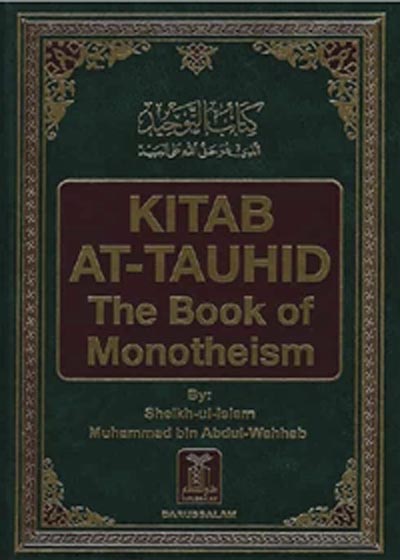
Imam Muhammad ibn Abd al-Wahhab محمد بن عبد الوهاب (1703–1792 CE) was an influential Islamic scholar, theologian, and religious reformer from Najd, in the Arabian Peninsula. His movement, often referred to as Wahhabism or the Salafi Da’wah, was primarily focused on purifying Islamic practice and theology by advocating a strict return to Tawḥīd (monotheism) and rejecting what he viewed as widespread innovations (bid’ah) and polytheistic practices (shirk) prevalent in his time. His key work, Kitāb at-Tawḥīd (The Book of Monotheism), serves as the foundational text of his doctrine. His historic alliance with Emir Muhammad ibn Sa’ūd in 1744 CE provided the religious and ideological basis for the establishment of the First Saudi State, making him a pivotal figure in modern Islamic reform and the history of the Arabian Gulf.
Showing all 5 resultsSorted by latest
 Arkan e-Islam
The Foundations of Islam-Abu Rumaysah

- Arkan e-Islam
Four Principles of Shirk-Yasir Qadhi
 Arkan e-Islam
Kitab at-Tawheed Explained Muhammad ibn Abd al-Wahhab
- Arkan e-Islam
Kitab ul-Tawheed English Muhammad ibn Abd al-Wahhab