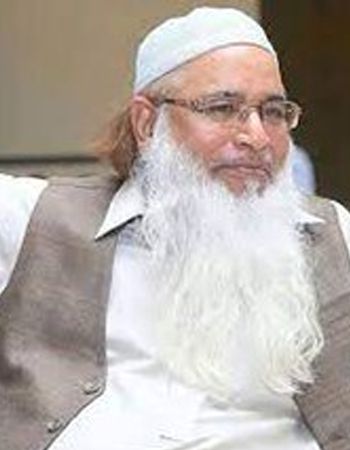

Maulana Muhammad Ashraf Ali Thanwi مولانا محمد اشرف علی تھانوی is regarded as one of the most influential Islamic scholars of the Indian subcontinent. Because of his deep knowledge of Qur’an, Hadith, Fiqh, and Tasawwuf, he earned the title Hakim al‑Ummah. As a result, his writings and teachings continue to guide millions of Muslims seeking spiritual clarity and practical religious understanding.
Early Life and Education
Born in 1863 in Thana Bhawan, India, Ashraf Ali Thanwi studied under renowned scholars and became associated with the Deoband tradition. Since he mastered classical Islamic sciences at a young age, his intellectual contributions grew rapidly and gained widespread acceptance.
Scholarly Contributions
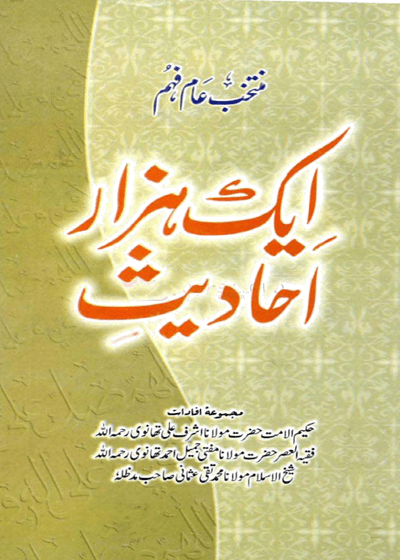
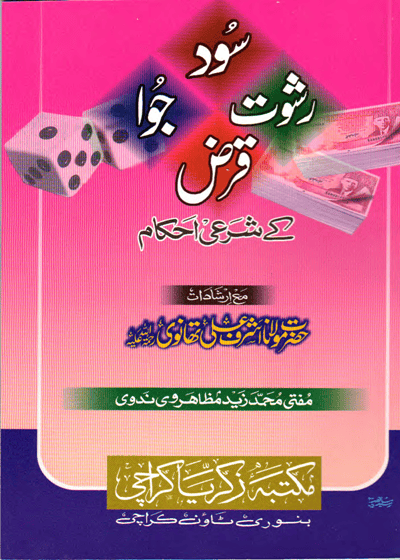
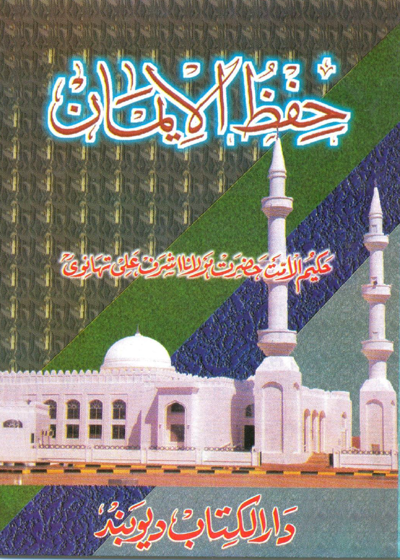
Ashraf Ali Thanwi authored more than a thousand works, covering:
Qur’anic commentary
Hadith explanation
Fiqh and legal rulings
Spiritual purification
Social reform
Women’s education
His most famous work, Bayan al‑Qur’an, is considered one of the most comprehensive Urdu tafseers. Moreover, his writings are known for clarity, balance, and practical relevance.
Spiritual Reform and Tasawwuf
A major part of Ashraf Ali Thanwi’s mission was spiritual reform. He emphasized:
Purification of the heart
Sincerity in worship
Moral discipline
Avoiding spiritual diseases
Strengthening one’s relationship with Allah
Furthermore, his guidance in Tasawwuf was rooted in Qur’an and Sunnah, making his approach both authentic and accessible.
Social and Educational Influence
Ashraf Ali Thanwi worked tirelessly to improve society through education and moral reform. Because of his balanced approach, he influenced scholars, teachers, and ordinary Muslims alike. Additionally, he encouraged women’s religious education, producing several works specifically for female audiences.
Legacy and Impact
Today, Ashraf Ali Thanwi remains a central figure in Islamic scholarship. Consequently, his books, teachings, and spiritual guidance continue to shape religious thought across South Asia and beyond.