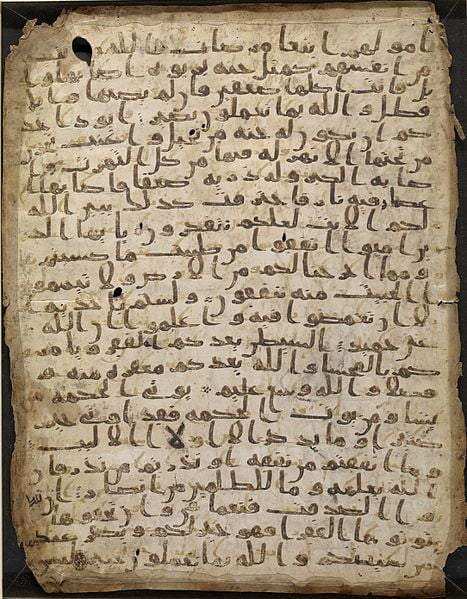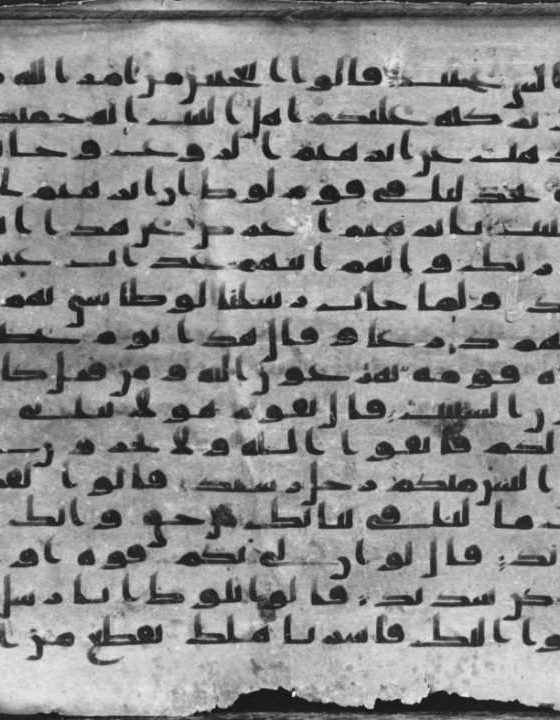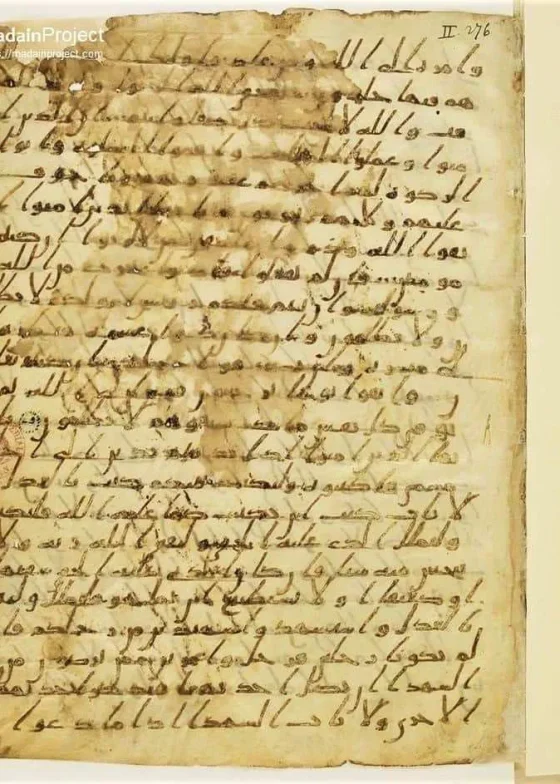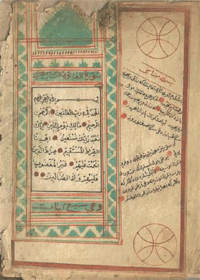
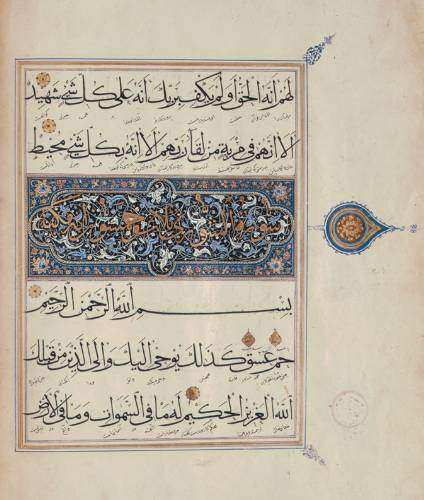
Al Quran Manuscript – Mid to Late 15th Century
Al Quran Manuscript – Mid to Late 15th Century
Year Written: Mid to Late 15th Century
Language: Arabic
Script Type: Muhaqqaq script
Current Location: The Chester Beatty Library, Turkey
References: Wikimedia Commons
Description
Overview
The Al Quran Manuscript from the mid to late 15th century is a remarkable artifact that reflects the rich heritage of Islamic calligraphy and scholarship. Written in Arabic using the elegant Muhaqqaq script, this manuscript serves not only as a religious text but also as a testament to the artistry and devotion of its scribe. The Muhaqqaq script, known for its clarity and beauty, enhances the manuscript’s aesthetic appeal, making it a significant piece for both scholars and art enthusiasts alike.
This exquisite manuscript is currently housed in The Chester Beatty Library in Turkey, a sanctuary for some of the most important historical texts in Islamic culture. The craftsmanship exhibited in this Quranic manuscript is emblematic of the period’s dedication to preserving the word of God through art. Each page is meticulously crafted, reflecting the reverence of the scribe and the importance of the Quran in the lives of Muslims during the 15th century.
Key Themes
- Historical Significance: Represents the Islamic scholarly tradition of the 15th century.
- Artistic Mastery: Showcases the Muhaqqaq script, admired for its beauty and precision.
- Cultural Heritage: A vital piece of Islamic art preserved in a notable library.
- Religious Importance: Serves as a key text for understanding the Quranic teachings and their impact on society.
Who This Book Benefits
- Islamic Scholars: Provides insights into historical manuscript traditions and script styles.
- Art Historians: Offers a study of Islamic calligraphy and manuscript preservation.
- Students of Religion: Enhances understanding of Quranic texts and their significance in Islam.
- General Public: Enriches knowledge of Islamic culture and heritage.