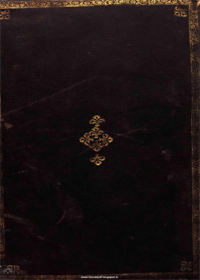
Quran Manuscript late 9th–early 10th century
Quran Manuscript late 9th–early 10th century
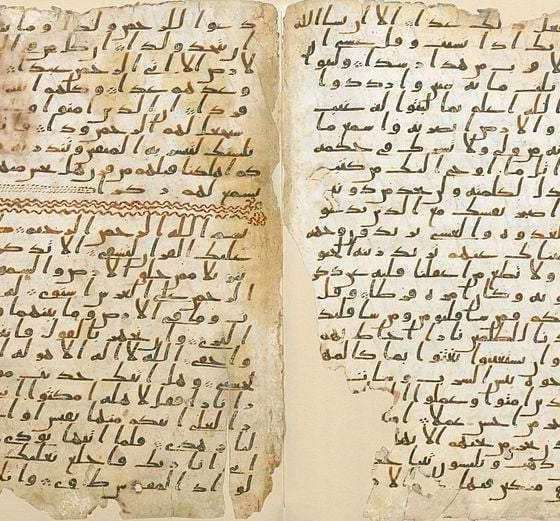
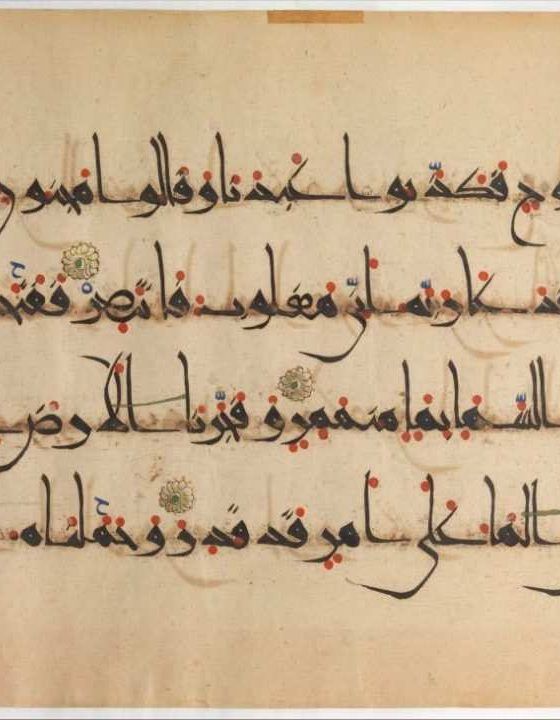
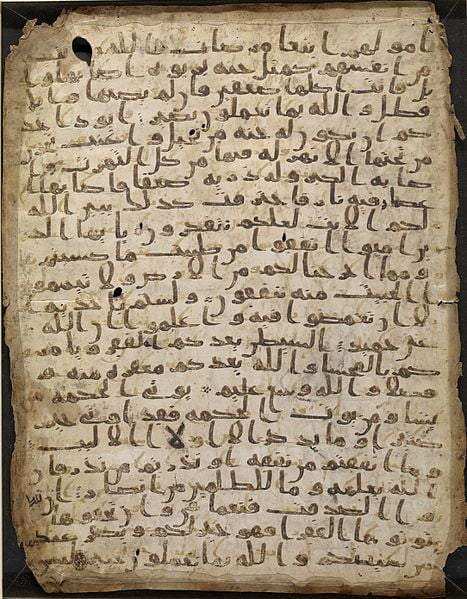
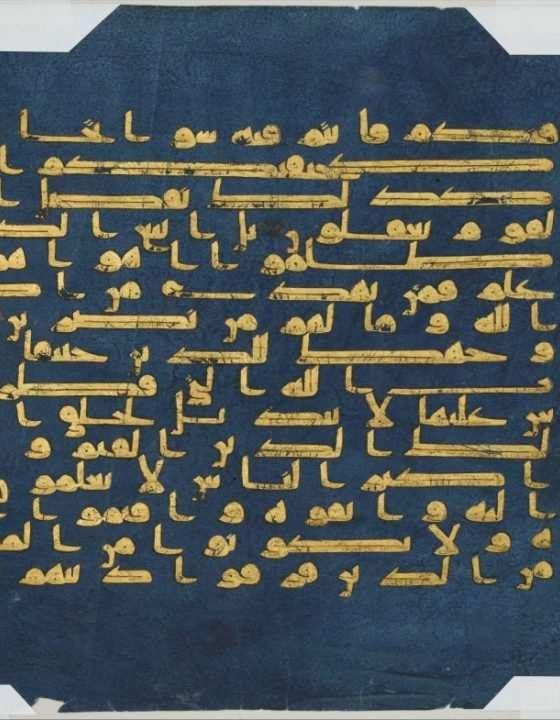
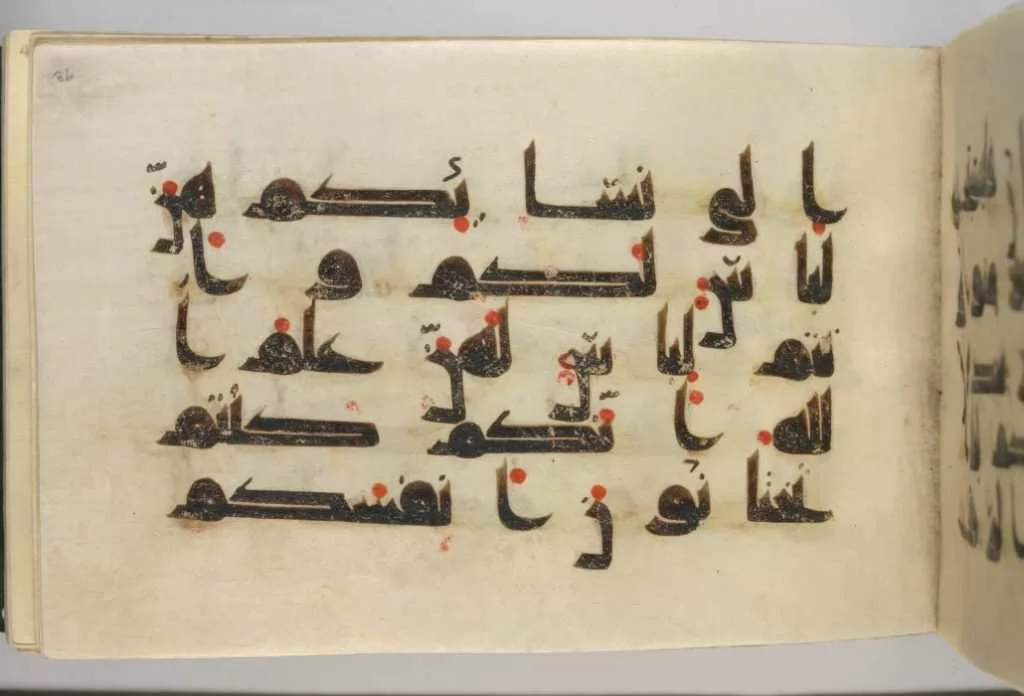
This is the second volume of a thirty-part Qur’an meant to be read over the course of a month. It is typical of early Qur’ans, but includes some embellishments not found in earlier, more austere copies, such as red vowel marks, rosettes every ten verses, and double-page illuminations at the beginning and end of the book. These compositions in gold are important precursors to what would evolve into a major aspect of Qur’an decoration.
Description
Overview
This exquisite Quran manuscript, dating from the late 9th to early 10th century, represents a significant artifact in the history of Islamic literature and art. As the second volume of a thirty-part Qur’an, it was intended for recitation over the course of a month, reflecting the traditional practice of engaging with the holy text in a structured manner. This manuscript exemplifies the evolution of Qur’anic calligraphy and decoration during its period, showcasing both the reverence for the text and the artistry involved in its presentation.
Artistic Features
Unlike earlier, more austere copies of the Qur’an, this volume includes a variety of embellishments that enhance its visual appeal and usability. The manuscript features:
- Red vowel marks that aid in the correct pronunciation of the text.
- Elegant rosettes placed every ten verses, providing both a decorative element and a navigational aid for readers.
- Double-page illuminations at the beginning and end of the book, adorned with intricate gold compositions that signify the importance of the text and its divine message.
These artistic elements not only serve aesthetic purposes but also represent important precursors to the elaborate decorations that would characterize later Qur’anic manuscripts.
Who This Book Benefits
- Students and scholars of Islamic studies seeking to understand the historical context and development of Qur’anic manuscripts.
- Art historians interested in the evolution of Islamic calligraphy and book decoration.
- Collectors and enthusiasts of rare manuscripts who appreciate the beauty and craftsmanship of early Islamic texts.
- Practitioners of the faith looking to deepen their connection with the Qur’an through its historical and artistic significance.